Welkom: When "Clean Cities" Campaigns Collide with Raw Sewage and No Water – Are We Being Heard, or Just Handled?
This article directly addresses the current absurdity and deep-seated anger felt by many Welkom residents. It highlights the stark contrast between official pronouncements and the daily reality on the ground.
Immediate Relevance & Fresh Frustration: Just weeks ago (early July 2025), Deputy President Paul Mashatile launched a “Clean Cities and Towns” campaign in Welkom, while residents like Quinton Bergman were publicly stating they hadn’t had water for 15 days and raw sewage was blocking primary school entrances since November 2024. This blatant disconnect is a fresh wound for residents and a prime target for discussion.
Highlighting Hypocrisy/Disconnect: The core tension is the perceived hypocrisy of high-level campaigns when basic services are non-existent. Residents are asking: “How can you talk about ‘clean cities’ when our children are walking through raw sewage?”
Personal Impact: The water and sewage crisis is not theoretical; it’s a daily battle affecting health, hygiene, and dignity. People have direct, often traumatic, experiences to share.
Calls for Accountability & Transparency: The article mentions the Matjhabeng municipality needs to be put under administration. It asks where the R1.6 billion earmarked for sanitation is going. This fuels the demand for answers and action.
“Are We Being Heard?” Element: The core of the frustration is feeling unheard by authorities despite public complaints, presidential imbizo discussions (December 2023), and now, high-profile visits. This blog post becomes a platform for that voice.
“Handled” vs. “Heard”: This framing is crucial. Are these campaigns genuine efforts to address problems, or are they just political optics designed to “handle” public discontent without truly resolving the underlying issues? This invites cynical but understandable responses.
Community Rallying Point: It’s a chance for residents to share stories, express outrage, and demand tangible solutions.
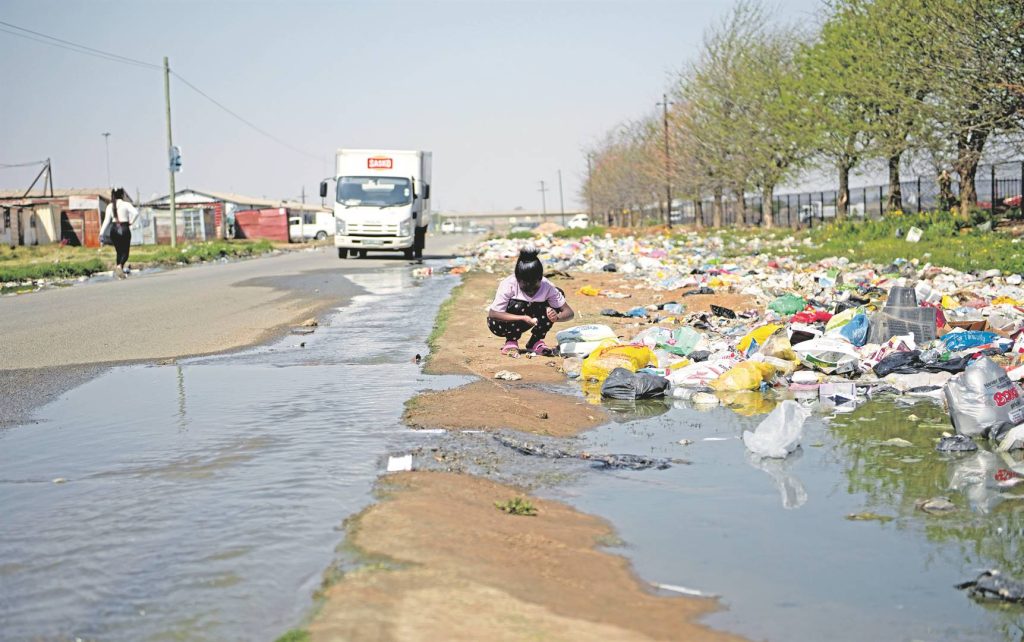
The Shocking Contrast: Start by juxtaposing images or descriptions of the “Clean Cities” campaign launch with the reality of sewage flowing past homes and schools in areas like Bronville. Use direct quotes from residents (e.g., Quinton Bergman’s experiences).
A Question of Priorities: Ask readers: What does it say about governance when basic human rights (clean water, sanitation) are neglected while resources are seemingly directed towards “campaigns”?
The Public Health Time Bomb: Reiterate the severe health risks associated with continuous sewage exposure and lack of water. Ask: “Is it a matter of when, not if, Welkom faces a major disease outbreak?”
The Elusive Billions: Revisit the R1.6 billion allocated for sanitation infrastructure. Demand details on where this money has gone, what projects were completed (or left unfinished), and why the crisis persists despite such funding.
Beyond the Blame Game: While illegal mining and vandalism are cited as factors, push for the municipality to also acknowledge and address alleged infrastructure neglect, lack of maintenance, and potential mismanagement.
What Does “Service Delivery” Truly Mean in Welkom? Challenge the official narrative of “service delivery” against the lived experience of residents.
A Call for Genuine Engagement & Solutions: What immediate, tangible actions do residents want to see? What would truly make them feel “heard”? (e.g., immediate provision of alternative water, rapid deployment of sanitation teams, transparent reporting on infrastructure projects, accountability for failures).
What do you think, Welkom?
The stories we tell about our city’s past and present shape its future. Whether you see Welkom’s founding as a stroke of genius, a stark reflection of its time, or something in between, your voice matters. And when it comes to the urgent challenges like our water and sewage crisis, speaking up is more critical than ever.
Join the conversation in the comments below!
How do you view Welkom’s origins, and how has that history impacted us today?
What’s your most pressing concern for Welkom right now, and what tangible action do you believe is needed from our leaders?
Let’s share our experiences, demand accountability, and work together to build the Welkom we all deserve.