
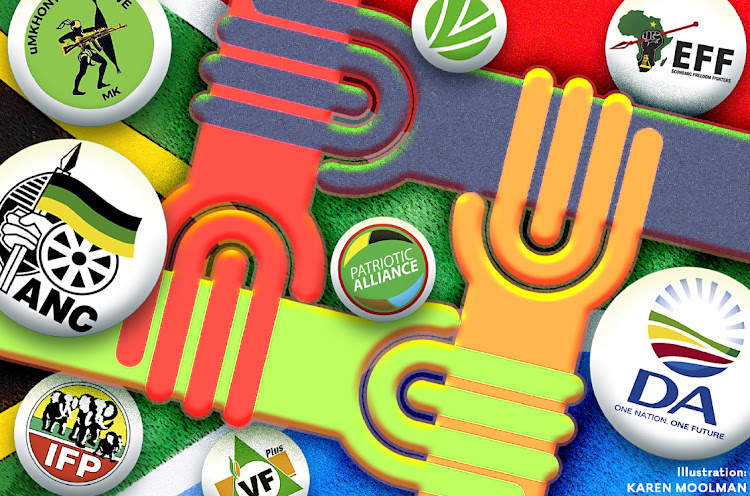
Current Corruption Allegations and Investigations: The Latest in South Africa
The fight against corruption in South Africa is a dynamic and ever-evolving landscape. As of August 2025, several key developments and ongoing investigations are dominating headlines and public discourse. From parliamentary probes into high-level police corruption to the implementation of the Zondo Commission’s recommendations, here’s a look at the current state of play.
The fight against corruption in South Africa is a dynamic and ever-evolving landscape. As of August 2025, several key developments and ongoing investigations are dominating headlines and public discourse. From parliamentary probes into high-level police corruption to the implementation of the Zondo Commission’s recommendations, here’s a look at the current state of play.
1. Parliament Probes High-Level SAPS Corruption
One of the most significant stories currently unfolding is the parliamentary investigation into explosive allegations made by KwaZulu-Natal Police Commissioner Nhlanhla Mkhwanazi. The allegations, which include claims of a sophisticated criminal syndicate operating within the South African Police Service (SAPS), have led to the establishment of a special ad hoc committee in Parliament.
The Allegations: Commissioner Mkhwanazi’s claims suggest a network of corruption involving politicians, law enforcement officials, and members of the judiciary. He alleges that senior officials have interfered with sensitive police investigations, and that a drug cartel has infiltrated various law enforcement agencies.
The Response: In response to these grave allegations, a judicial commission of inquiry has been established, chaired by Acting Deputy Chief Justice Mbuyiseli Madlanga. Additionally, the Minister of Police, Senzo Mchunu, has been put on leave of absence to allow the inquiry to proceed unhindered.
Parliamentary Oversight: The ad hoc committee, with its chairperson now elected, is tasked with scrutinizing the evidence presented directly to Parliament and ensuring accountability. The Democratic Alliance (DA) has called on the committee to take decisive action, including recommending disciplinary measures and referring criminal findings to the relevant authorities.
2. Progress on Zondo Commission Recommendations
The implementation of the Zondo Commission’s recommendations is a crucial measure of South Africa’s commitment to fighting state capture. A recent progress report from the Presidency, covering the period up to the end of March 2025, shows some notable achievements.
Accountability: Of the 218 criminal investigation recommendations made by the commission, 21% have either been finalized or enrolled for trial. This includes high-profile cases related to the Free State Asbestos Removal Case and Transnet contracts.
Asset Recovery: The government has reported significant success in recovering stolen funds, with total recoveries now reaching nearly R11 billion. This includes major settlements from companies like ABB, McKinsey, and SAP.
Institutional Reforms: Key institutional reforms are in motion. The Investigating Directorate Against Corruption (IDAC) has been established as a permanent entity within the National Prosecuting Authority (NPA), and the new Public Procurement Act is set to enhance transparency in government contracts.
3. Rise in Police Corruption in the Eastern Cape
While high-level investigations grab headlines, corruption at a provincial level continues to be a major concern. The Eastern Cape is facing a public crisis of confidence as figures reveal a worrying rise in corruption within the provincial SAPS.
Lack of Convictions: A total of 54 SAPS officials have been charged with corruption in the Eastern Cape since 2021. However, not a single one has been convicted in court, leading to widespread public frustration and a call for a performance audit by the DA.
Ineffective Disciplinary Action: Disturbingly, several officials found guilty in internal disciplinary processes have been allowed to return to duty, including a captain and a warrant officer. This has raised serious questions about the effectiveness of internal controls and the political will to hold officers accountable.
These recent developments highlight the multi-faceted nature of corruption in South Africa. The battle is being fought on multiple fronts—from parliamentary oversight and judicial inquiries to departmental clean-ups and criminal prosecutions. While progress is being made, the ongoing challenges, particularly within the police service, underscore the need for sustained effort and unwavering political will.
Have your say in the comments of this post what is your opinion of the current state of affairs in South Africa?