

Why South Africans Are Exploring Online Trading
- Online Trading
-
Sep 10
- Share post
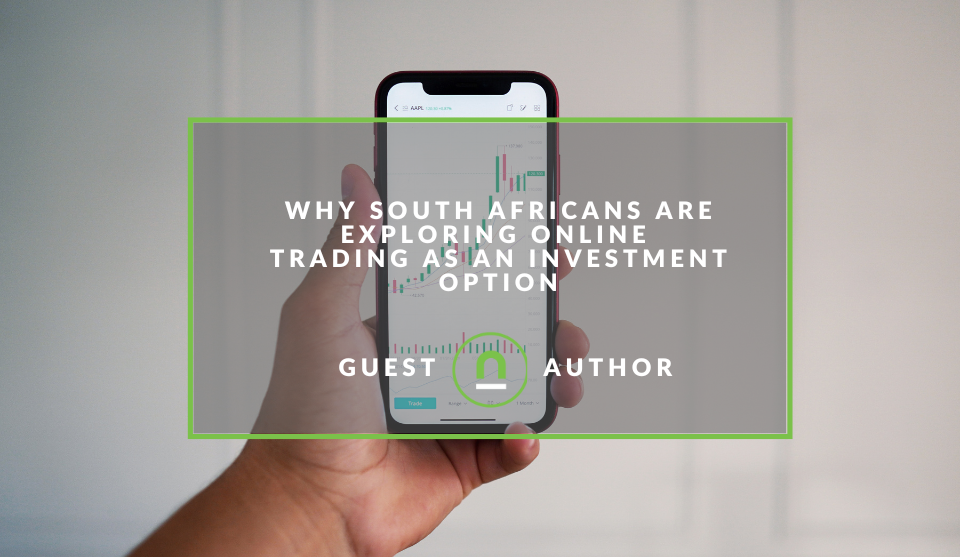
Not too long ago, online trading felt like something far away. Something for people sitting in glass-walled offices in London or New York. Now, it’s as close as your phone screen.
You might hear people talking about it over lunch. They’ll mention a currency pair they watched before work, or a chart they checked while standing in a queue. It’s not a niche conversation anymore.
Plenty of new traders start by looking into trading online in South Africa with platforms like Exness. The draw is obvious: they can get started without needing an office, a finance degree, or a pile of cash. Just a decent internet connection and a bit of time to learn the basics.
Why the Interest is Growing
Lower barriers and more information. That’s the short version.
These days, you can open an account in minutes. You can watch prices move live, you can study strategies at midnight if you want to. Even in smaller towns, reliable internet makes it possible to keep up with the market. People like the control too. Instead of trusting someone else to manage their money, they can make their own calls, that control, paired with the potential to learn and improve over time, is a big part of the appeal.
For many, it feels less like handing money over and more like actively steering it.
Stepping Into Different Markets
One of the things that surprises beginners is just how many markets exist under the umbrella of online trading. Shares, commodities, indices, and currencies all have their own rules.
Currencies in particular have a strong pull. They respond to global news, interest rates, and economic reports. That’s why some traders spend time learning forex trading in South Africa through Exness. Even if they later focus on something else, understanding how exchange rates behave can make a big difference to their overall strategy.
Others may blend markets, switching between them depending on where they see movement. This flexibility means a trader can adapt if one area goes quiet, and it opens doors to spotting links between markets that might not be obvious at first glance.
Technology Makes It Possible
The tech side has changed the game completely. Live price feeds mean you’re not relying on yesterday’s numbers, mobile apps let you trade in between other tasks, and orders go through in seconds. This speed is a big reason why online trading feels exciting but it can also push people to act too quickly, the tools are there, but they work best if you already know what you’re looking for, that’s why pairing technology with discipline makes such a difference.
Learning in Real Time
Back when trading required a middleman, learning was slow and often expensive. Now, you can watch a video, test the idea in a demo account, and see results straight away. There’s no shortage of material either, such as tutorials, forums, and webinars. The challenge now is deciding what to focus on instead of trying to learn everything at once. The best traders tend to keep things simple, refining one approach until it works consistently.
Sometimes, the lessons come from small mistakes. Clicking the wrong button, missing an alert, or holding a trade too long can all teach more than theory ever could. Over time, these lessons create habits that shape how a trader reacts under pressure.
Risk is Always Present
Markets move unpredictably. That’s part of what makes them interesting, but it’s also the reason risk management matters. Some people use stop-loss orders to cut losses before they grow too large. Others keep their trade sizes small until they build more experience. Protecting your capital might not sound exciting, but it’s what keeps you in the game long enough to see results. The traders who last often talk about patience as much as profit. Waiting for the right setup can be just as valuable as spotting it in the first place.
Why Flexibility Appeals
A lot of traders mention flexibility as a key reason they started. You don’t need to block out your whole day, you can trade before work, after dinner, or whenever the market you follow is most active.
The flip side is that markets are always open somewhere. If you’re not disciplined, you can end up glued to your screen. It takes practice to step away and trust your plan.
Learning From Others
Trading can be a solo pursuit, but plenty of people prefer to share the experience. Online groups, social media chats, and in-person meetups give traders a chance to compare notes. Hearing what others are doing can spark new ideas, but it can also be distracting. The most successful traders filter what they hear, keeping only the parts that fit their own approach. Over time, this ability to filter becomes a skill in itself.
Starting Small, Building Slowly
The easiest way to get overwhelmed is to jump in too deep. New traders who start small give themselves time to adjust. They can make mistakes without wiping out their account and can build confidence as they go.
Regularly reviewing trades helps too. A quick note about why you entered, how it went, and what you’d change next time can be more valuable than reading a dozen articles. Over weeks and months, those notes become a personal guide.
The Road Ahead
With faster networks and better tools becoming the norm, online trading in South Africa is likely to grow even more, access is expanding, but the basics remain the same: patience, preparation, and managing risk. Those who approach it as a skill to develop, not a shortcut, tend to stick around longer and see better results.
Final Thoughts
The move toward self-directed investing is clear. People want more say in how their money is managed, and technology has made that possible. Modern trading platforms have given South Africans a way to connect to global markets from almost anywhere.
Online trading is not a guarantee of success, but with steady learning and a clear plan, it can become a valuable part of an investment approach, one that fits into daily life without taking it over.
Recommended reading
If you enjoyed this post and have the time to spend diving deeper down the rabbit hole, then we suggest you check out the following posts about improving your finances in South Africa.
- How South Africans Can Save Money Each Month
- The Pros and Cons Of Tap and Go Cards
- What Is A Money Market Account?
- Ways To Earn Cryptocurrency
- How To Passively Earn Cryptocurrency
- Types Of Cryptocurrency Exchanges
- How South Africans Can Buy Bitcoin
Disclaimer: This is not investment advice and is for informational purposes only. wecannot be held liable for any investment decisions made based on the information given by independent financial service providers. Under the ECT Act and to the fullest extent possible under the applicable law, we disclaims all responsibility or liability for any damages whatsoever resulting from the use of this site in any manner.
